Media executive addresses news overload, activism among young consumers
Media executive advises on news overload, youth activism
In an age where access to information is endless and the media is more polarized than ever, it is easy for some people to drown in the sea of hateful, misleading and dangerous news.
Others make a choice to step back and ignore the flood of news entirely, suggesting there are too many problems to face and injustices to protest.
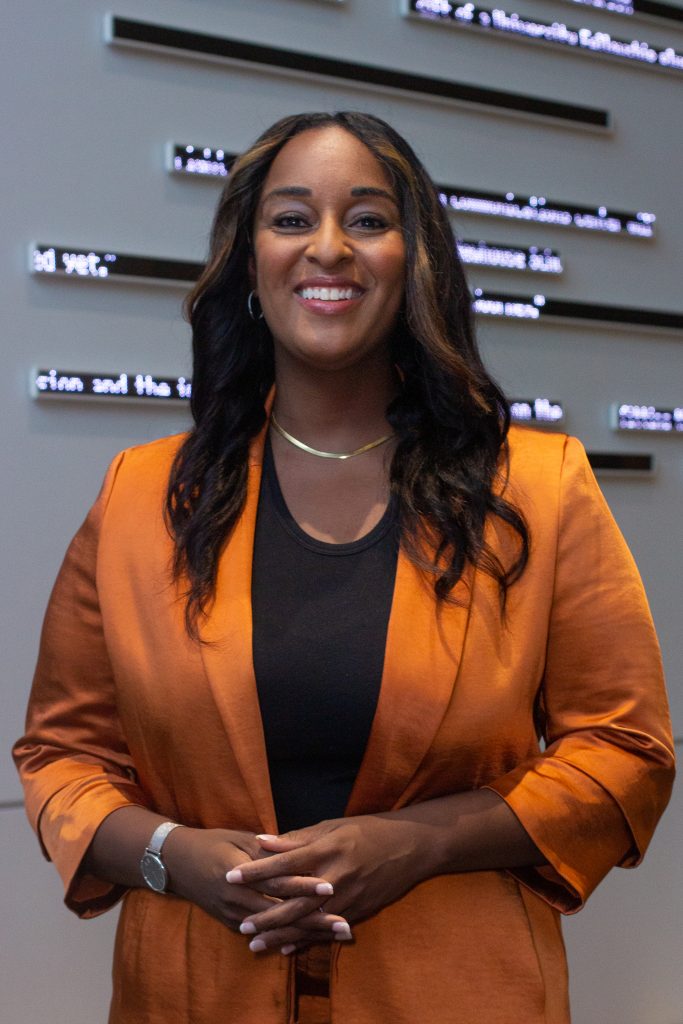
For digital media executive and CNN political analyst Natasha Alford, the high volume of news and information can be valuable to society as a whole.
“We have access to so many more bodies of knowledge than we did before and that can make for a more complete story,” Alford said. “That can make for a more complete understanding of history.”
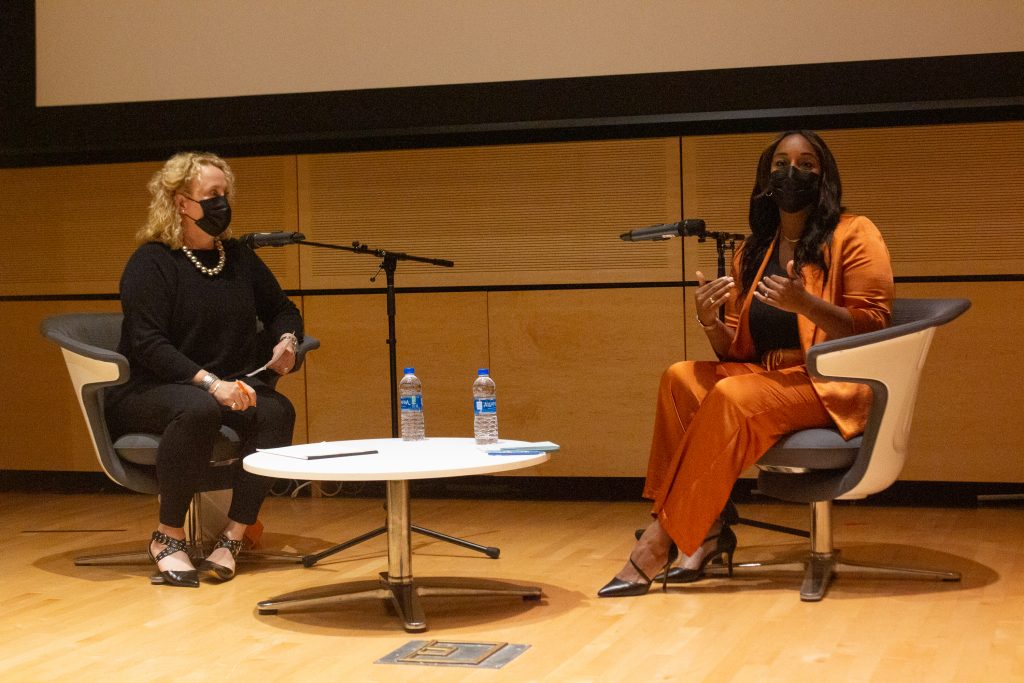
Alford, who is vice president of digital content at Black news outlet TheGrio, has spent this week as a professional in residence at Syracuse University’s Newhouse School, meeting with students and leading conversations about today’s news industry.
Alford said she has concerns about young consumers’ news habits, especially relying mostly on social media where they may encounter one-sided stories.
“People tend to go to sources that affirm beliefs they already have or bias they already have,” Alford said. “Look for the most neutral source.”
Alford warned that the influx of media in people’s news feeds can lead to apathy and inaction, or what she described as the “bystander effect.”
“The more people witness some sort of crisis, the less likely they are to do something about it,” she said.
Alford said she’s regularly asked how to be an effective activist, which she advises to follow the issues and causes that a person is passionate about.
“Think about what your talents and your skills, where they can be applied to be the most effective,” she said.
Freshman Katie McClellan who attended Wednesday’s talk at Newhouse about community, identity and self-care said she appreciated Alford’s advice to “show up as if it belongs to you” when it comes to activism within each of their communities.
“[This is] such an important way to look at your involvement in the world,” McClellan said.

is a senior Magazine, News, and Digital Journalism major from Seattle and a contributor for The NewsHouse.

is a photojournalism major and a contributor for The NewsHouse.